
notes on shanghai
february 2026 (well delayed!)

On society
Technology infrastructure is unparalleled. Everytime I revisit Shanghai, I’m constantly reminded what a truly digitally native society looks like. QR codes for payments, super-apps which combine every function you can think of, interconnected data-sharing to the extreme. Consider: I can order food (at $5 AUD for delivery and a bento meal), shop clothes, get disney tickets, and order train tickets all from the same app. The historical context here is that China leapfrogged credit cards given the ubiquity of phones, leading to a fully digital economy. The flip-side to this abundant convenience - as many of these observations will note - is the chokehold of restriction. Your digital fingerprints are left everywhere… Yet simultaneously, one is not afraid using a VPN to watch Youtube however they please.
Amidst a “Chinese era”, there are winners and losers. Most taxi/rideshare drivers are very friendly and open to chat, and are a window into the current economy. There is pride at the unprecedented economic rise of China, but growing concerns at what comes next. Housing prices have gone down, university grads are unemployed, the 996 and tangping movements are continually echoed amidst an aging population. The older generations I talk to all admit the difficulties of the young; where they had to battle through scarce resources and poverty, the new generations have to fight through intense competition and uncertain futures.
Community-feeling is abundant. Running around Shanghai I often found a sense of belonging. Uncles and Aunts doing exercise and tai chi in the parks; friendly hairdressers more than happy to chat to anyone and everyone about their day; hospital workers being inclusive and sharing food… These pockets exist everywhere, and are not unusual in Sydney - but it felt particularly abundant in Shanghai, even despite being an urban metropolitan maze. I did not get this same outward feeling in London, although the people I got to know were incredibly welcoming.
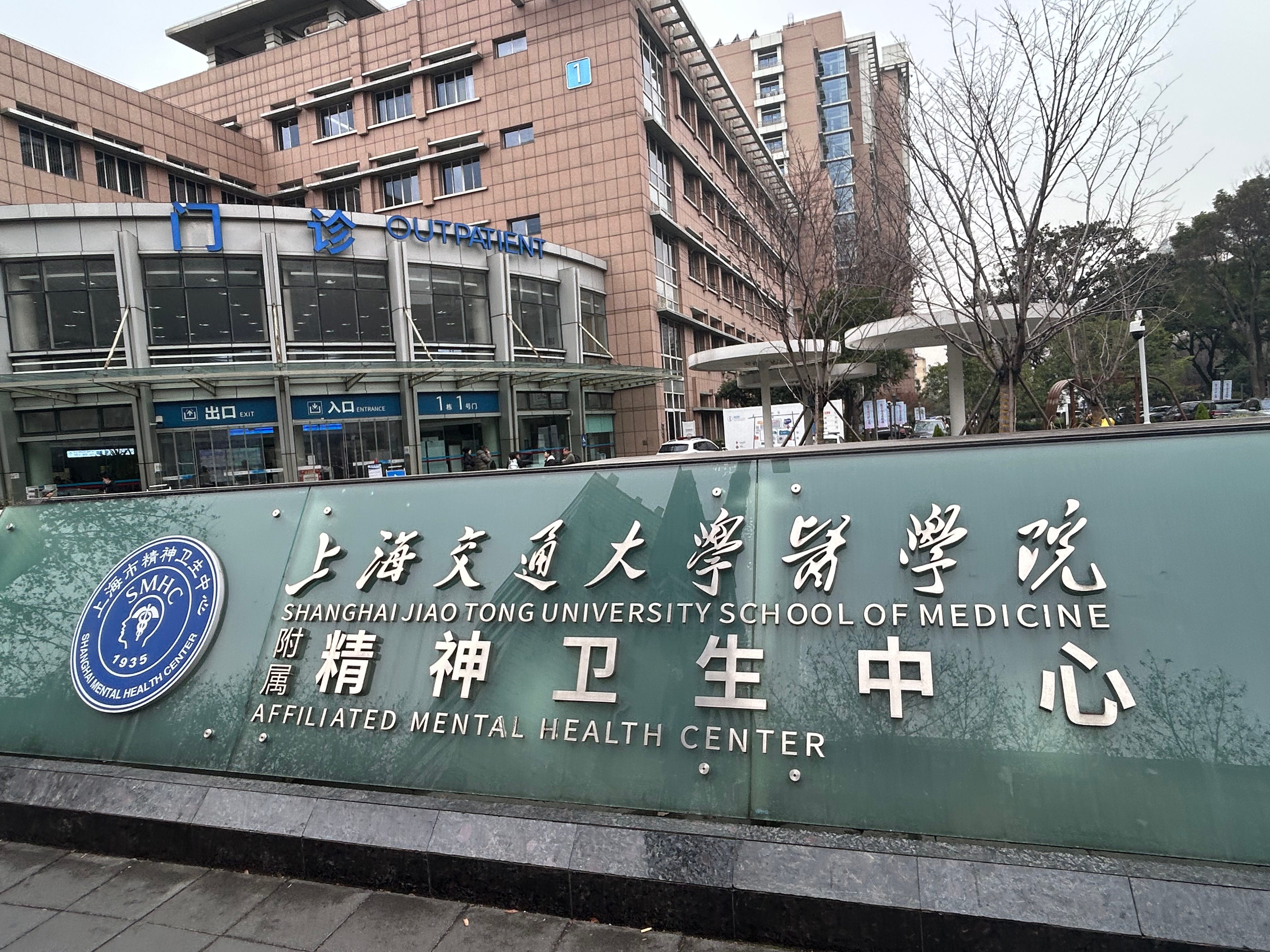
Views on mental health parallels the West with a time lag. My placement in Shanghai was infamous - when you wanted to chastise someone for being insane or weird, you’d say “That person needs to go to number 600” - since on 600 South Wanping Road, there was the Shanghai Mental Health Centre. The discourse I’ve gotten from different generations seems to parallel the discourse I’ve observed in Western media across the last 20 years - there is more acceptance of mental health conditions. Similarly however, there is also more skepticism around the consumer models (ie the centre at one point sold SMHC-branded mooncakes), views that mental health was a rich persons’ concern (psychology is less regulated, and also practically only private), and the overreach of the medical profession in discussions like ADHD or autism. This discourse apparently varies by city tier. This all follows when you note the Chinese psychiatric system is based on the ICD (the European DSM equivalent), with some Chinese characteristics.
On people
Round tables present opportunities for intergenerational discourse. I described some of this feeling in A Shanghainese New Year; I realise that it is rare now for me to engage with different generations. Every culture seems to have some way to bring people together, and the round table is where I interface with both the young and the old.
A scarcity mindset combined with a high trust society. Many people are still ‘rude’ by certain standards; pushy on trains, cutting in line, rough greetings and little patience (some can often be related to economic difficulties, and city life). A friend I met opined that this perhaps a culture remnant of more difficult times, where these traits were necessary for self preservation; in contrast to the surveillance state we have today. The trade-off here was that I felt utterly safe practically everywhere I went.
Ruthless pragmatism and inevitable fate. Conversations of money and math are ubiquitous ****in my family, as well as conversations with work colleagues. People are constantly doing Fermi estimates - What’s the average cost for food/rent/utilities? What’s a junior doctor’s salary? Let’s think through an example… I found that it is a way of life, and numbers were used to ground any discussion of substance. Combined with this, there is a sense of fate - that lives are predetermined, that we are allocated our lots, and we play our parts. I would not describe this as fatalist, but more disillusioned about pragmatic realities.
Cultural homogeneity centralises and flattens the distribution of experiences. In my psychiatry placement, I found there was such an obvious shared context between people. Of course, China is massive; people came to Shanghai from all over. But broadly, it felt (beyond a level of paternalism) that it was much easier for the psychiatrist I shadowed to connect with anyone who came in. I attribute part of this experience to the cultural homogeneity. This comes with - perhaps only coming from a diasporic lens - a profound sense of being unremarkable. In the face of so many people that look the same, you really feel like any other person.